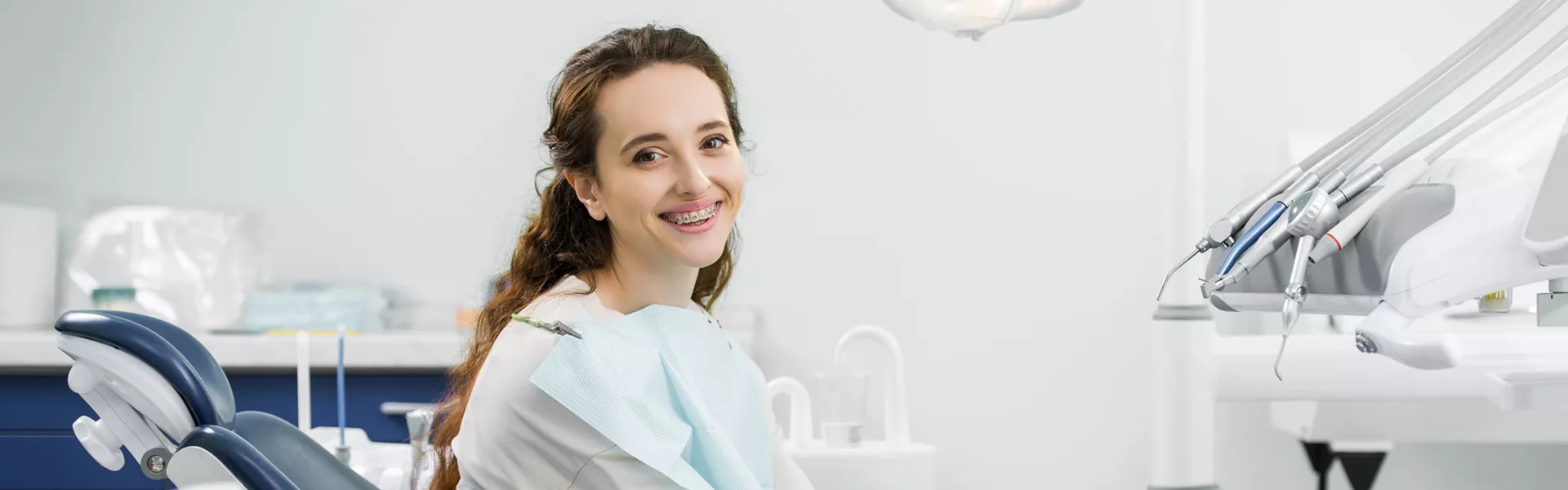

How to Maintain Good Dental Hygiene While Wearing Braces?

Maintaining good dental hygiene is paramount in the journey towards a straighter smile with braces. While orthodontic treatment offers transformative results, it also presents unique challenges in oral care. This guide dives into the essential strategies for preserving dental health while wearing braces. From proper brushing techniques to navigating flossing with orthodontic appliances, we will explore practical tips and insights to ensure optimal oral hygiene throughout the braces-wearing journey. Join us as we uncover the keys to achieving a healthy smile and successful orthodontic treatment outcomes.

Understanding the Importance of Dental Hygiene with Braces

Maintaining good dental hygiene with braces is essential for several reasons. Firstly, braces create small spaces between the teeth and orthodontic appliances where food particles and plaque can easily gather. This buildup can pave the way to tooth decay, bad breath, and other complexities if not properly removed through regular brushing and flossing. Additionally, poor dental hygiene with braces can prolong treatment time and compromise treatment outcomes by interfering with the movement of teeth and the effectiveness of orthodontic appliances.

Proper Brushing Techniques for Braces Wearers

Brushing teeth with braces requires special attention and techniques to ensure thorough cleaning and plaque removal. Here are some tips:

  • Use a soft-bristled toothbrush to avoid damaging braces and gum tissue.
  • Position the toothbrush towards the gum line and brush gently around brackets and wires efficiently.
  • Brush after eating to prevent food debris from getting trapped in braces and causing decay.
  • Utilize fluoride toothpaste to strengthen enamel and protect against cavities.

How do you use floss threaders or orthodontic floss?

Flossing with braces can be difficult because of wires and brackets. Floss threaders or orthodontic floss are essential for effectively cleaning between teeth and around braces. Here’s how to use them:

  • Put the floss thread through the eye of the floss threader.
  • Gently guide the floss threader under the braces’ wire and between teeth.
  • Use a sawing motion to clean between teeth and along the gum line.
  • Repeat the process for each tooth, ensuring thorough cleaning of all surfaces.

Choosing the Right Oral Care Products

Selecting the appropriate oral care products is crucial for maintaining dental hygiene with braces. Orthodontic-friendly products help effectively clean around braces without causing damage. Here are some tips for choosing the right oral care products:

  • Use interdental brushes to clean the area between brackets and wires where traditional floss may be challenging.
  • Opt for fluoride mouthwash to strengthen enamel and reduce the risk of cavities.
  • Choose a toothpaste with fluoride and a mild abrasive to clean teeth effectively without damaging braces.

Cut Down On Sugary And Acidic Beverages

Consuming sugary and acidic beverages can increase the risk of tooth decay and enamel erosion, especially for individuals wearing braces. These beverages can also stain teeth and cause discoloration. To maintain dental hygiene while wearing braces, consider the following tips:

  • Limit sugary and acidic drinks, like soda, sports drinks, and fruit juices.
  • Consume water or milk instead of sugary beverages to stay hydrated and promote oral health.
  • Opt for a straw when consuming acidic beverages to reduce contact with teeth and braces.

Attend Regular Dental Check-Ups

Going for regular dental check-ups and cleanings is very important for individuals wearing braces to monitor oral health and ensure treatment progresses. Here’s why regular dental visits are important:

  • Dental professionals can assess the condition of teeth and braces, identify issues early, and adjust treatment as necessary.
  • Professional cleanings help eliminate plaque and tartar buildup, minimizing the risk of dental cavities and gum disease.
  • Routine check-ups with dental professionals throughout orthodontic treatment allow for timely intervention and preventive measures, like fluoride treatment near you, to maintain optimal oral health.

Stay Consistent And Patient

Maintaining good dental hygiene with braces requires consistency and patience. It may take time to develop proper brushing and flossing techniques and incorporate them into a daily routine. Here are some tips for staying consistent and patient:

  • Set reminders to brush and floss after meals and before bedtime.
  • Practice patience and persistence. Adapting to wearing braces and establishing an effective oral hygiene routine may take time.
  • Stay motivated by focusing on the enduring advantages of good dental hygiene, such as a healthy smile and successful orthodontic treatment results.

If you have any questions or concerns about brushing and flossing with braces, consult the dentist near you. They can offer customized guidance and ensure you use the most effective techniques for optimal oral health.

Conclusion

Keeping good dental hygiene while sporting braces is essential for ensuring optimal oral health and treatment success. By understanding the importance of dental hygiene with braces and implementing proper brushing, flossing, and dietary habits, individuals can minimize the risk of oral health issues and achieve a healthy, beautiful smile. With consistency, patience, and regular dental check-ups with the dentist in 36526, maintaining dental hygiene with braces becomes a manageable and rewarding aspect of orthodontic treatment. For personalized dental care and expert guidance on maintaining oral hygiene with braces, schedule a visit to Milestone Family Dentistry today.

How Can Dental Bonding Improve Your Smile?

Are you looking to enhance your smile and regain confidence in your appearance? Dental bonding offers a quite simple yet effective solution to various cosmetic dental concerns. Let’s explore how this versatile procedure can transform your smile.

What It Is and How It Works

Cosmetic bonding teeth is a dental procedure designed to enhance the aesthetics of your smile. Dentists can correct various dental imperfections with precision and care using a tooth-colored resin material. The resin is applied to the concerned tooth or teeth during the bonding process and sculpted to achieve the desired shape and size. Once hardened with a special light, the bonded material seamlessly blends with your natural teeth, resulting in a flawless appearance.

Benefits of Dental Bonding for Improving Smile Aesthetics

  • Enhancement of Tooth Appearance: Dental bonding offers a simple yet very effective way to enhance the appearance of your teeth, helping you achieve a more attractive smile. By covering stains, discoloration, and other imperfections, bonding can dramatically improve the whole aesthetics of your teeth, giving you a radiant, brighter, and more youthful appearance.
  • Correction of Minor Imperfections: Whether you have chips, cracks, or spaces between your teeth, dental bonding can address these minor flaws with precision and ease. The bonding material is carefully applied to the affected areas, sculpted to the desired shape, and hardened to create a seamless and natural-looking result. This allows for the correction of minor imperfections without the need for more invasive procedures.
  • Restoration of Tooth Shape and Size: Bonding is an excellent option for preserving the shape and size of your teeth, especially if they have been affected by wear and tear, trauma, or other dental issues. By adding bonding material to the affected areas, experienced dentists in Daphne can rebuild and reshape your teeth, restoring their natural contours and proportions for a more harmonious and visually pleasing smile.

Common Issues Addressed by Dental Bonding

  • Treatment of Chipped or Cracked Teeth: If you’ve experienced dental trauma resulting in chips or cracks, bonding can effectively repair these imperfections and restore the integrity of your teeth.
  • Closing Gaps Between Teeth: Bonding is a versatile solution for closing gaps between teeth, creating a more uniform and cohesive smile.
  • Repairing Decayed Teeth: In cases of minor tooth decay, bonding can fill cavities and strengthen the affected teeth, preventing further damage and preserving your dental health.
  • Reshaping Irregular Teeth: Whether your teeth are misshapen or uneven, bonding can reshape and contour them to achieve a more aesthetically pleasing and symmetrical smile.

Procedure Overview: How Dental Bonding Is Done

  • Preparing the Tooth Surface: The tooth surface is carefully cleaned and prepared to ensure optimal bonding adhesion.
  • Application of Bonding Material: The tooth-colored resin material is applied to the prepared tooth and molded into the desired shape.
  • Sculpting and Shaping the Material: Experienced dentist near you skillfully sculpt and shape the bonding material to achieve the desired aesthetics.
  • Bonding Material Hardening Process: A special curing light hardens the bonding material, ensuring durability and longevity.
  • Polishing for a Natural Finish: The bonded tooth is polished to a smooth finish, seamlessly blending with your natural teeth for a flawless appearance.

Longevity and Maintenance of Dental Bonding

  • Discussion on Durability of Bonding: With proper maintenance and care, dental bonding will last several years, providing long-lasting results and enhancing your smile’s beauty.
  • Tips for Maintaining Bonded Teeth: To prolong the lifespan of your bonding, it’s essential to practice good dental hygiene routines, including regular brushing, flossing, and regular dental check-ups.
  • Importance of Regular Oral Check-ups: Regular visits to a bonding dentist near you allow for early detection of any issues with your bonded teeth and ensure timely interventions to maintain optimal oral health.

Considering Dental Bonding as a Cosmetic Treatment Option

  • Exploring Dental Bonding as a Viable Option: Dental bonding may be the ideal choice if you’re seeking a non-invasive and cost-effective solution to improve your smile.
  • Comparison with Other Cosmetic Treatments: While various cosmetic dental procedures are available, bonding offers a convenient and affordable option for enhancing your smile’s aesthetics.
  • Potential Cost Considerations: Compared to more extensive cosmetic treatments, like crowns or veneers, dental bonding is often more budget-friendly, making it accessible to a wider range of patients.
  • Testimonials or Success Stories from Patients: Hear firsthand accounts from patients who have undergone dental bonding at Milestone Family Dentistry and experienced transformative results.

Ready to explore Dental Bonding to Change the Look of Your Smile? Schedule Your Visit Right Away!

Transform your smile and increase your confidence with Milestone Family Dentistry, Dr. Miriam Perdomo DMD. Don’t put off getting the smile of your dreams any longer. Schedule an appointment with us right now to learn more about the transformative powers of dental bonding. Let us help you take the first step towards a healthier, happier you!

Conclusion

In conclusion, dental bonding is a valuable cosmetic dental procedure that can address common aesthetic concerns and improve the overall look and appearance of your smile. Whether dealing with chipped teeth, gaps, or discoloration, bonding offers a conservative and affordable option for achieving a brighter, more beautiful smile.

Complete vs. Partial Dentures: Which Option is Right for You?

Missing teeth badly affect your smile and your complete oral health and well-being. That is why choosing the right type of dentures is crucial for restoring your smile and confidence. This informative guide will explore the differences between complete and partial dentures, their pros and cons, factors to consider when choosing dentures, and practical tips for care and maintenance. Whether you are exploring denture options for yourself or a dear one, this guide offers valuable insights to assist you in making a thoughtful decision.

What are Complete and Partial Dentures?

Complete Dentures

Complete dentures are crafted to replace an entire arch of missing teeth, be it the upper, lower, or both jaws. These removable prosthetic devices comprise a gum-colored acrylic base supporting artificial teeth. Tailored to fit securely over the gums and jawbone, they restore chewing function and offer a natural-looking smile.

Partial Dentures

Partial dentures are particularly useful for addressing issues related to missing or damaged front teeth. These dental appliances are engineered to harmonize with your natural teeth, offering both functional and aesthetic advantages. They feature a metal or acrylic framework that connects to the remaining teeth, while artificial teeth fill in the voids created by missing teeth. By restoring the appearance of your smile and preventing neighboring teeth from shifting, partial dentures for front teeth can significantly improve your overall dental health and confidence.

Complete Dentures: Pros and Cons

Pros:

  • Restore full smile aesthetics and functionality, improving appearance and self-confidence.
  • Prevent facial sagging and maintain facial structure by supporting the cheeks and lips.
  • Customizable to match the shape, size, and color of natural teeth, creating a seamless smile.

Cons:

  • May require an adjustment period for speaking and eating as the mouth adapts to the new appliance.
  • Can cause discomfort or irritation due to changes in fit over time, requiring periodic adjustments or relining.

Partial Dentures: Benefits and Risks

Benefits:

  • Cost-effective solution for replacing missing teeth, offering an affordable option for restoring oral function.
  • Preserve remaining natural teeth by preventing them from shifting or drifting into the space left by missing teeth.
  • Improve chewing efficiency and speech clarity, enhancing overall oral health and quality of life.

For those seeking immediate restoration, inquire about same-day partial denturesfor quick and efficient tooth replacement.

Risks:

  • May cause discomfort or soreness during the initial adjustment period as the mouth adapts to the new appliance.
  • Require regular maintenance and care to guarantee proper fit and function, including daily cleaning and periodic adjustments.

Factors in Choosing Dentures

When deciding between complete and partial dentures, several factors should be considered:

  • Oral health considerations, including gum health and bone density, which can affect denture fit and stability.
  • Financial factors, such as the cost of dentures and insurance coverage, which may influence decision-making.
  • Lifestyle and preferences, including daily habits and aesthetic preferences, which can impact denture choice.

Chewing and Speech Comparison

The type of dentures you select can impact chewing efficiency and speech clarity:

  • Complete dentures may initially affect chewing and speech as the mouth adjusts to the new appliance.
  • Partial dentures may cause slight changes in speech but allow for natural chewing function, especially when anchored to remaining natural teeth.

Aesthetics of Denture Options

Both complete and partial dentures are designed to restore a natural-looking smile:

  • Complete dentures mimic the appearance of natural gum tissue and teeth, providing a seamless smile.
  • Partial dentures blend with the natural teeth, creating a harmonious smile appearance and restoring facial aesthetics.

Comfort and Fit Assessment

Comfort and fit are essential points to consider when choosing dentures:

  • Complete dentures should fit snugly and comfortably to prevent slipping or discomfort while speaking or eating.
  • Partial dentures should provide stability and comfort without causing irritation to the adjacent teeth or soft tissues.

Denture Care Tips

Proper denture care is vital for maintaining oral health and increasing the life of your dental appliance. Here are some denture care tips:

  • Clean dentures daily with a soft brush and mild cleanser to effectively remove food particles and plaque buildup.
  • When not in use, store dentures in a clean, moist environment to prevent them from drying out and losing their shape.
  • Avoid using too hot water to clean or soak your dentures, as it may lead to deformation.
  • Rinse your dentures using plain water after meals to remove food particles and prevent stains or odors.
  • Arrange routine consultations with the dentist near you for checkups and adjustments to maintain proper fit and functionality.

Conclusion

Choosing between complete and partial dentures requires thoughtful consideration of various factors, including oral health, lifestyle, and personal preferences. By understanding the pros and cons of each option and consulting with your dentist, you can make the correct decision that will restore your smile and improve your quality of life.

Discover Your Perfect Smile: Consult with Our Denture Experts!

Ready to restore your smile and confidence? Schedule a consultation with Milestone Family Dentistry today and discover which denture option is right for you. Don’t let missing teeth hold you back any longer – take the first step towards a brighter, more confident smile. Contact us now, and let us help you regain your smile!

How Soon Can I See Results After Getting Lip Fillers?

Lip augmentation through fillers has become a widely sought-after cosmetic treatment to enhance both the volume and contour of the lips. As individuals seek to achieve their desired aesthetic, understanding the timeline and effects of lip fillers is paramount. In this inclusive guide, we will dive into the journey of getting lip fillers, from the initial consultation to post-procedure care, ensuring patients are well-prepared for the transformative experience ahead.

Understanding Lip Fillers

Lip fillers, referred to as dermal fillers or lip injections, are non-invasive procedures intended to enhance lip volume, shape, and balance. A lot of these fillers have hyaluronic acid in them, which is a naturally occurring substance in the body that helps keep skin moist and full. By strategically injecting filler into the lips, dentists or medical professionals can enhance lip contours and correct asymmetry, resulting in a fuller and more youthful appearance.

How are Lip Fillers Administered?

The process of receiving lip fillers starts with an initial consultation with a skilled dentist. In this consultation, the dentist will evaluate the patient’s objectives, explore treatment choices, and respond to any concerns or inquiries the patient might have. Once the patient is ready to proceed, the actual administration of lip fillers involves several key steps:

  • Cleansing: The targeted area undergoes a thorough cleansing process to eliminate any traces of makeup, oils, or debris, thereby creating ideal conditions for the procedure.
  • Numbing: To make the injection process less painful, an external freezing cream or local anesthetic could be put on the lips.
  • Injection: The dentist carefully injects the filler into certain areas of the lips with a fine needle to get the volume and shape that the patient wants. The lipfiller injections are typically administered in small, controlled amounts to ensure precision and natural-looking results.
  • Massage: After the filler is injected, the dentist may gently massage the lips to distribute the filler evenly and smooth out any irregularities.

Immediate Effects: What to Expect Right After the Procedure?

Immediately after receiving lip fillers, patients may experience some initial effects, including:

  • Numbness: You may experience temporary numbness or tingling in the lips immediately after the procedure due to the local anesthetic used during the injections.
  • Redness: The injection sites may appear slightly red or irritated, but this is temporary and should resolve within a few hours.
  • Tenderness: When you touch your lips, they might feel sore or swollen, especially in the hours after the process. This discomfort is usually mild and can be alleviated with over-the-counter pain relievers.

Initial Swelling: Understanding Temporary Changes in Appearance

Patients need to understand that the initial swelling they experience after getting lip fillers is temporary and part of the healing process. During this time, the lips may appear larger or more pronounced than the final result due to the presence of swelling. Patients should expect the swelling to peak within the first 24 to 48 hours after the procedure before gradually subsiding.

Gradual Enhancement: When the Full Results Typically Become Apparent

While some patients may notice immediate improvement in their lip appearance after receiving fillers, the full results typically become apparent within one to two weeks. As the initial swelling resolves and the filler settles into place, the lips will achieve their desired volume and shape. Patients should be patient during this period and refrain from judging the final outcome until the swelling has completely subsided.

Follow-Up Appointments: Monitoring Progress and Adjustments

Follow-up appointments with the dentist are essential for monitoring the progress of lip filler treatments and making any necessary adjustments to attain optimal results. During these appointments, the dentist in Daphne will evaluate the patient’s lip appearance, assess the longevity of the filler, and address any concerns or questions the patient may have. Additional filler may be added or redistributed as needed to fine-tune the results and ensure patient satisfaction.

Managing Expectations: Factors That Influence the Timing of Results

Several factors can influence how quickly patients see results after getting lip fillers, including:

  • Metabolism: Individuals with faster metabolisms may metabolize the filler more quickly, affecting the longevity of the results.
  • Product Used: Different types of lip fillers have varying rates of absorption and longevity, which can impact how quickly results become apparent.
  • Individual Response: Each patient’s body may respond differently to the filler, resulting in variations in the timing and duration of results.

Post-Procedure Care: Tips for Minimizing Swelling and Maximizing Results

To ensure optimal results and minimize swelling after getting lip fillers, patients should follow these post-procedure care tips:

  • Apply Ice: Cold compresses or ice packs used on the lips in the hours after the treatment may alleviate swelling and pain.
  • Avoid Strenuous Activities: People who get lip fillers should not do anything too hard, like intense exercise, for at least 24 to 48 hours after the procedure. This will help the body heal and reduce swelling.
  • Stay Hydrated: Lots of water can help get rid of toxins in the body and speed up the mending process.
  • Follow Dentist’s Instructions: Patients should follow any specific post-procedure instructions provided by their dentist, including when to apply topical ointments or medications and when to schedule follow-up appointments.

Conclusion

In conclusion, the journey of getting lip fillers involves careful consideration, expert administration by a qualified dentist near you, and diligent post-procedure care. By understanding the timeline and effects of lip fillers, patients can approach the treatment with confidence and achieve beautiful, natural-looking results that enhance their overall appearance. With the guidance of a dentist and commitment to proper care, lip filler treatments can be a rewarding experience that leaves patients feeling more confident and self-assured in their appearance.

Ready to Enhance Your Smile with Lip Fillers?

Take the first step towards fuller, more defined lips by scheduling a consultation with Milestone Family Dentistry today! Lip filler injections near you may be a beautiful, natural-looking procedure when you work with our skilled staff, who are committed to giving you the individualized attention you need. Get in touch with us right now to schedule your consultation and begin the process of improving your smile for a more self-assured and beautiful you. Let us help you achieve the smile of your dreams with expert lip filler treatments tailored to your unique needs and goals.

What to Expect During the Dental Crown Procedure?

Dental crowns serve a vital purpose in restoring damaged teeth, enhancing both their function and appearance. We recognize that undergoing dental treatment can be intimidating, which is why we’ve developed this informative resource to address concerns and ensure a positive patient experience. In this blog, we will guide you through the various materials utilized for dental crowns, provide an overview of the step-by-step process involved in obtaining a crown, outline the duration of the procedure, and discuss both the benefits and potential risks associated with this treatment. Whether you’re considering dental crowns near you or simply curious about the process, we’re here to provide you with all the information you need. Let’s dive in!

The Materials Used for Making Dental Crowns

Dental crowns can be made up using a variety of materials, and each material comes with its unique characteristics and benefits. Here’s a closer look at some common materials used for dental crowns:

  • Porcelain: Porcelain crowns are renowned for their natural appearance, which closely resembles the color and translucency of natural teeth. Not only are they highly durable, but they are also resistant to staining, rendering them an exceptional choice for visible teeth.
  • Metal: Metal crowns, typically made of gold or silver alloy, are solid and long-lasting. They are often used for molars, where strength and durability are paramount.
  • Porcelain-fused-to-metal (PFM): PFM crowns combine the aesthetics of porcelain with the strength of metal. They offer a natural appearance while providing excellent durability.
  • Composite resin: Composite resin crowns are a cost-effective option that can be color-matched to the natural teeth. While less durable than other materials, they are suitable for restoring front teeth.

Choosing the suitable material for your dental crown depends on factors such as the location of the tooth, your budget, and personal preference. The dentist near you will work carefully with you to determine the best option for your needs.

Step-by-Step Guide to Getting a Dental Crown

The dental crown procedure typically involves several steps, each carefully designed to ensure a precise fit and optimal results. Here’s a stepwise guide to what you can expect during the process:

  • Initial consultation: Your dentist will first check your teeth carefully and discuss your treatment options. They will assess the tooth’s condition in need of a crown and determine if it is the best course of action.
  • Tooth preparation: To prepare your tooth for the crown, your dentist will remove a small quantity of enamel from the tooth’s surface. This allows room for the crown to fit snugly over the tooth without altering its natural shape or function.
  • Impressions: Once the tooth is prepared, impressions of your teeth will be taken to create a custom-made crown that fits perfectly. These impressions ensure that your crown will blend seamlessly with your existing teeth.
  • Temporary crown placement: During the fabrication of your permanent crown at a dental laboratory, your dentist in Daphne, AL, may place a temporary crown to safeguard the prepared tooth. This temporary crown is usually made of acrylic and is designed to be worn temporarily until the permanent crown is ready.
  • Fabrication of the permanent crown: In the dental laboratory, skilled technicians will use the impressions of your teeth to fabricate your permanent crown. This process typically takes about two to three weeks.
  • Final fitting and placement: Once your permanent crown is ready, you’ll return to the dentist’s office for the final fitting and placement. Before permanently cementing the crown into place, your dentist will ensure that it fits accurately and blends seamlessly with the color and shape of your natural teeth.

How Long Does the Dental Crown Placement Take?

The duration of the dental crown placement procedure can vary depending on various factors:

  • Complexity: The duration of the procedure can be influenced by the complexity of the case and the number of teeth being treated.
  • Material: Some materials may require additional time for fabrication or adjustments.
  • Preparation: Proper preparation and planning can help streamline the process and minimize chair time.

On average, the dental crown placement procedure can take anywhere from one to two hours per tooth.

What Are the Benefits and Risks of a Dental Crown?

Benefits of Dental Crowns

Dental crowns offer numerous benefits for restoring and protecting damaged teeth:

  • Restoration of function: Dental crowns restore damaged teeth’ strength, function, and appearance.
  • Protection: Crowns provide an extra layer of protection for weakened or compromised teeth, reducing the risk of further damage or decay.
  • Aesthetics: Crowns have the capacity to enhance the appearance of misshapen, discolored, or improperly aligned teeth, thereby improving the overall aesthetics of your smile.

Risks Associated with Dental Crowns

While dental crown placement offers numerous benefits, it’s important to acknowledge potential risks and complications, such as:

  • Sensitivity: Some patients might encounter temporary sensitivity to hot or cold foods and beverages following a dental crown procedure.
  • Discomfort: Discomfort or soreness around the treated tooth is common immediately after crown placement but typically resolves within a few days.
  • Rare complications: In rare cases, such as allergic reactions, nerve damage, or crown failure may occur.

Prioritizing a discussion about the potential risks and benefits of dental crowns with your crowns dentist is crucial before proceeding with treatment.

Understanding the Recovery Process

After getting a dental crown, it’s essential to follow proper post-placement care instructions:

  • Avoid chewing: Avoid chewing on hard or sticky foods immediately after crown placement to prevent dislodging or damaging the crown.
  • Practice good oral hygiene: Regular brushing and flossing of your teeth is important to maintain optimal oral hygiene and prevent plaque buildup around the crown.
  • Attend follow-up appointments: Schedule regular check-ups with the best dentist for crowns near you to ensure the crown is functioning optimally and to promptly address any concerns or problems that may arise.

With diligent care and maintenance, dental crowns can endure for numerous years, furnishing enduring protection and restoration for your smile.

Conclusion

In conclusion, The dental crown procedure represents a simple and efficient method for restoring damaged teeth and enhancing oral health. Patients can approach their treatment options with confidence and clarity by comprehending the materials, procedural steps, timeframe, and potential benefits and risks. If you’re considering dental crowns, don’t hesitate to schedule a consultation with Milestone Family Dentistry in Daphne, AL, to discuss your needs and explore your options. Your smile deserves the best care possible, and we’re here to help you achieve it.

Single-Visit vs. Multiple-Visit Root Canal: Pros and Cons

Root canal therapy becomes essential for preserving the tooth and relieving discomfort in cases of significant tooth decay or infection. Yet, patients often encounter a choice between undergoing a single-visit or multiple-visit root canal procedure. In this article aims to dissect the advantages and disadvantages of both methods, aiding patients in making well-informed decisions regarding their dental health.

Schedule Root Canal Appointment

Book Now

Understanding Root Canal Treatment

Before comparing single-visit and multiple-visit root canals, let’s briefly review what root canal treatment entails. During a root canal, the endodontist near you or the dentist removes infected or damaged tissue inside the tooth, cleans and disinfects the root canal therapy, and seals it to prevent further infection.

Single-Visit Root Canal

Pros:

  1. Time-saving: As the name suggests, a single-visit root canal can be accomplished in just one appointment. This saves patients time and reduces the need and efforts of multiple office visits.
  2. Convenience: Patients appreciate the convenience of completing their treatment in a single session, minimizing disruptions to their daily routine.
  3. Immediate Relief: By promptly addressing the infection or decay, single-visit root canals provide immediate relief from pain and discomfort.

Cons:

  1. Complex Cases: While suitable for many cases, single-visit root canals may not be suitable for more complex or challenging cases that require additional time and precision.
  2. Risk of Failure: In some instances, the single-visit approach may not adequately address all aspects of the infection or decay, increasing the risk of treatment failure and the need for retreatment.

Multiple-Visit Root Canal

Pros:

  1. Thorough Treatment: Multiple-visit root canals allow for a more thorough and meticulous approach to treatment, ensuring that all infected tissue is removed and the root canal system is properly cleaned and sealed.
  2. Customized Treatment: Multiple visits allow for a more customized and comprehensive treatment plan for complex cases or situations where additional diagnostic tests or procedures are needed.
  3. Reduced Risk of Complications: By addressing all aspects of the infection or decay, multiple-visit root canals can help and reduce the risk of complications and it will improve treatment outcomes.

Cons:

  1. Extended Treatment Time: One of the main drawbacks of multiple-visit root canals is the extended treatment time, which may require patients to schedule multiple appointments over several weeks.
  2. Increased Cost: Due to the additional time and resources, multiple-visit root canals may be more expensive than single-visit procedures, potentially creating financial challenges for some patients.

Conclusion

In conclusion, both single-visit and multiple-visit root canals have advantages and drawbacks. Ultimately, the best approach depends on the patient’s specific needs, the complexity of the case, and the dental professional’s recommendations. Whether opting for a single-visit or multiple-visit root canal, choosing a skilled and experienced dentist in Daphne, AL, who can provide personalized care and achieve optimal treatment outcomes is essential.

When it comes to dental procedures, ensuring you have all the information is crucial for making informed decisions about your oral health. Let’s find out in detail the key factors you need to consider when choosing between single-visit and multiple-visit root canals:

Treatment Duration

One of the most significant differences between single-visit and multiple-visit root canals is the duration of treatment. Single-visit root canals are completed in a single appointment, making them ideal for patients with busy schedules or those seeking immediate relief from pain. On the other hand, multiple-visit root canals may span several appointments over weeks, which can be inconvenient for some patients but allows for a more comprehensive approach to treatment with our dental clinic , Milestone Family Dentistry.

Personal Preferences

Some patients may prefer the convenience of completing their treatment in a single visit, while others may feel more comfortable with the thoroughness of a multiple-visit approach. In conclusion, both single-visit and multiple-visit root canals have advantages and drawbacks, and the best approach depends on various factors, including the case’s complexity, treatment duration, cost considerations, and personal preferences. By consulting with your dentist in 36526 and cautiously weighing your options, you can make a wise decision that ensures the best possible outcome for your oral health.

How does smoking impact dental health?

Our choices can significantly influence our well-being in a world where lifestyles vary. Smoking, a common habit for some, can have profound effects on various aspects of health. In this exploration, we unravel the impact of smoking on dental health, delving into the consequences and the role of a dentist near you in mitigating these effects.

Understanding the Oral Consequences of Smoking

Smoking isn’t just a threat to your lungs; it poses a considerable risk to your oral health as well. As a smoker, you expose your mouth to an array of harmful chemicals that can lead to a multitude of issues. From yellowed teeth to more severe conditions, the impact of smoking on your dental health is a cause for concern.

How Does Smoking Contribute to the Yellowing of Teeth?

The nicotine and tar in tobacco are notorious for staining teeth. Over time, these substances can lead to persistent yellow or brown discoloration. Despite regular brushing, the stubborn nature of these stains often requires professional intervention.

The Role of a General Dentist Near You: A Partner in Oral Health

Having a reliable general dentist near you is invaluable for those on the journey to optimal oral health. Regular check-ups and cleanings near you provide a proactive approach to counteracting the effects of smoking on your teeth and gums. These professionals are equipped to address specific challenges posed by smoking and can offer tailored advice for maintaining oral health.

How Can a General Dentist Near You Help Mitigate the Effects of Smoking?

A general dentist near you plays a crucial role in mitigating the effects of smoking by providing professional cleanings that target stubborn tobacco stains. Additionally, regular exams allow for the early detection of potential issues, enabling timely intervention to prevent further damage.

Exams and Cleanings Near You: A Shield Against Smoking Consequences

Regular exams and cleanings near you are not just about maintaining a bright smile—they are a line of defense against the adverse effects of smoking on your dental health. These routine visits offer an opportunity for your dentist to assess the health of your teeth and gums, identify early signs of issues, and guide effective oral care.

How Often Should I Schedule Exams and Cleanings Near Me to Address Smoking-Related Issues?

For individuals who smoke, it’s advisable to schedule exams and cleanings at least twice a year. However, your dentist may recommend more frequent visits based on your unique oral health needs. Regular appointments are key to staying ahead of potential problems associated with smoking.

Dentist in 36526: Local Care for Specific Needs

Finding a dentist in 36526 is not just a matter of convenience; it’s a strategic move toward addressing specific local oral health needs. Local dentists are familiar with prevalent habits, such as smoking, and can effectively tailor their approach to mitigate the associated risks.
They can tailor treatment plans to address issues such as staining, gum disease, and other consequences of smoking, ensuring comprehensive and personalized care.

Breaking the Habit: A Step Towards Better Oral Health

While the role of dental professionals is pivotal, the most impactful step towards better oral health for smokers is breaking the habit. Smoking cessation benefits your lungs and provides a chance for your teeth and gums to recover. Your dentist can offer support and resources to help you on the journey to quit smoking.

How Can Quitting Smoking Improve My Oral Health?

Quitting smoking can lead to notable improvements in oral health. The risk of gum disease decreases, teeth stains may lighten, and the overall health of your mouth can rebound. Your dentist can guide you through this process, providing encouragement and assistance.
In conclusion, the impact of smoking on dental health is undeniable, but the journey towards better oral health is within reach. With the guidance of a dentist near you, regular exams and cleanings, and a commitment to breaking the smoking habit, you can take significant strides towards preserving the health and radiance of your smile. Remember, Milestone Family Dentistry and similar local practices are here to support you on this journey to optimal oral health.

Are there age restrictions for getting a dental bridge?

Embarking on the adventure of restoring your smile with a dental bridge is an exciting prospect, but you may wonder if age plays a role in this dental procedure. Let’s explore the world of dental bridges and debunk any myths surrounding age restrictions, ensuring you make informed decisions about your oral health.

Learn More About Bridges

Introduction

Dental bridges near you have become a popular solution for individuals seeking to replace missing teeth. Not only do they enhance aesthetics, but they also contribute to improved oral functionality. In this guide, we’ll delve into the intriguing question of whether there are age restrictions for getting a dental bridge.

Benefits of Dental Bridges

Before we explore age-related considerations, let’s briefly touch on the benefits of dental bridges. These prosthetics not only enhance the aesthetics of your smile but also restore oral functionality. Whether you’ve lost a tooth because of decay, injury, or other reasons, a dental bridge can fill the gap and provide a natural-looking solution.

Understanding Age Restrictions

1. Common Misconceptions

There’s a common misconception that dental bridges are only suitable for a specific age group. However, advancements in dental care and technology have made bridges a viable option for a diverse range of individuals.

2. Importance of Individualized Assessments

Rather than imposing age restrictions, the suitability of a dental bridge is determined through individualized assessments. Factors like overall health, oral hygiene, and the specific case of tooth loss play crucial roles in the decision-making process.

Dental Bridges for Young Adults

1. Addressing Early Tooth Loss

Young adults experiencing early tooth loss wonder if they are eligible for dental bridges. The answer is a resounding yes. Dental bridges can be a practical solution to prevent complications such as misalignment of surrounding teeth.

2. Prevention of Complications

Acting early to address tooth loss with a dental bridge not only restores a confident smile but also prevents potential complications that may arise if the gap is left untreated.

Considerations for Middle-Aged Individuals

1. Dealing with Tooth Loss in Midlife

Middle-aged individuals may encounter tooth loss due to various reasons, including decay or gum disease. Dental bridges offer a reliable option to restore the smile and maintain oral function.

2. The Impact of Age-Related Factors

While age itself may not be a restriction, middle-aged individuals may need to consider age-related factors like bone density and overall oral health when opting for dental bridges.

Dental Bridges for the Elderly

Addressing Age-Related Oral Health Concerns

Elderly individuals often wonder if dental bridges are suitable, especially considering age-related oral health concerns. The positive news is that dental bridges can be a valuable solution for seniors seeking to enhance their quality of life.

Overcoming Potential Challenges

Certain challenges, such as existing dental conditions or the need for additional treatments, may arise for the elderly. However, these challenges can be attended to with proper assessment and professional guidance.

The Role of a Dentist in Daphne

The Importance of Professional Guidance

When considering a dental bridge, seeking guidance from a dentist in Daphne is crucial. A dentist can conduct a thorough assessment, discuss personalized treatment plans, and address any worries you may have.

Customized Treatment Plans

Every individual is unique, and dental treatment should reflect that. Customized treatment plans ensure that the dental bridge meets your unique needs and strengthen your overall oral health.
To clarify further, let’s address some common questions about age and dental bridges.

Is there an age limit for getting a dental bridge?

  • No, there is no specific age limit. Dental bridges are considered based on individual assessments.

Can young adults get dental bridges?

  • Yes, young adults can benefit from dental bridges, especially in cases of early tooth loss.

Conclusion

In conclusion, age should not be a limiting factor when considering a dental bridge. Whether you’re a young adult, in your middle age, or a senior citizen, dental bridges offer a versatile solution to restore your smile and improve oral functionality. To make informed decisions about your oral health, schedule a personalized consultation with our clinic, Milestone Family Dentistry, Dr. Miriam Perdomo, DMD, who can guide you through the process.

How Do You Care for Bonded Teeth to Ensure Longevity?

Introduction

Welcome to Model Dental Clinic, your trusted destination for exceptional dental care in Columbia. We understand that maintaining your dental health is of utmost importance. If you are looking for a dentist in Columbia specializing in composite bonding teeth, you’re in the right place. Bonded teeth can transform your smile, but it’s essential to ensure their longevity. In this blog, we’ll discuss how to care for your bonded teeth and keep them looking beautiful and healthy. We’ll also explore the advantages of composite bonding teeth and answer some common questions about this procedure.

What Are Bonded Teeth?

Bonded teeth, or composite bonding teeth, are a cosmetic dental procedure. It entails the use of a tooth-colored resin material applied to your tooth, followed by shaping, hardening, and polishing. This technique is effective for correcting issues such as chipped, stained, or misaligned teeth, resulting in a more appealing and evenly aligned smile. In contrast to dental veneers, which necessitate significant tooth reduction, composite bonding is a minimally invasive procedure.

Advantages of Composite Bonding Teeth

  1. Natural Appearance: Since composite bonding may be adjusted to fit the shade and shape of your teeth, the result is completely natural.
  2. Minimally Invasive: It requires minimal enamel removal, making it a conservative option for improving your smile.
  3. Quick and Painless: The procedure is usually completed in a single visit, and it is generally painless. Anesthesia is often not required.
  4. Durable: With proper care, bonded teeth can last for several years.

Caring for Your Bonded Teeth

To maintain the durability of your bonded teeth and keep them in optimal condition, here are some vital care guidelines:

  1. Maintain Good Oral Hygiene:
  • Be sure to floss your teeth once per day and brush your teeth twice each day. To protect the bonding material, use a toothbrush with soft bristles and fluoride-free toothpaste. Practicing adequate oral hygiene is vital to avoid discoloration and deterioration in the proximity of the bonded area.
  1. Be Mindful of Your Diet:
  • Refrain from overindulging in dark-colored foods and beverages like coffee, tea, and red wine, as they have the potential to cause staining of the bonding material as time passes. If you do indulge, be sure to rinse your mouth with warm water afterward.
  1. Avoid Bad Habits:
  • Avoid biting your nails, chewing on pens, or using your tooth to open packages. These habits could chip or damage the bonding material.
  1. Regular Dental Check-Ups:
  • It’s crucial to visit your dentist in Columbia regularly for check-ups and cleanings. This allows your dentist to monitor the condition of your bonded teeth and address any issues early on.
  1. Protect Your Teeth:
  • Consider using a mouthguard while engaging in contact sports or when you sleep if you tend to grind your teeth. This will protect your bonded teeth from potential damage.

Is composite bonding suitable for everyone?

Teeth bonding near you is a versatile procedure, but there may be better options for some. Your Columbia dentist will assess your individual needs and recommend the most suitable treatment.

How long do bonded teeth typically last?

Bonded teeth can last 5 to 10 years or more, depending on how well you care for them. Regular maintenance and good oral hygiene practices are essential for their longevity, ensuring your teeth and gums remain healthy throughout your life.

Can bonded teeth be whitened if they become stained?

While the bonding material itself does not respond to teeth whitening treatments, your natural teeth can be whitened. If the color difference becomes noticeable, you can discuss teeth whitening options with your dentist.

Is composite bonding reversible?

Yes, composite bonding is a reversible procedure. If you decide to change the appearance of your teeth in the future, your dentist can remove the bonding material without damaging your natural teeth.

In conclusion, caring for your bonded teeth ensures their long-term beauty and functionality. By following these tips and seeking regular dental check-ups, you can enjoy a stunning smile for years. If you’re looking for a dentist near you who specializes in composite bonding teeth, look at our dental office. Your smile is our priority, and we’re here to help you achieve the best possible results.

What is the role of fluoride treatment in preventing tooth decay?

Our daily dental care routines often take center stage in pursuing a radiant and healthy smile. Yet, maintaining optimal oral health goes beyond brushing and flossing. Professional interventions, such as fluoride treatment, play a pivotal role.

This comprehensive article will delve into the significance of fluoride treatment in preventing tooth decay while also exploring dental fluorosis treatment and fluoride varnish. If you’re searching for a dentist near you who can provide expert advice, look no further than Milestone Family Dentistry.

Understanding Tooth Decay

Before diving into the role of fluoride treatment, it’s essential to comprehend the tooth decay process. Dental caries, often referred to as cavities, arise when detrimental bacteria within the mouth generate acids, subsequently eroding the enamel—teeth’s defensive outer layer. With time, this degradation can create cavities, induce pain, and potentially cause tooth loss if not addressed.

How Fluoride Treatment Works?

Fluoride, a naturally occurring mineral, is a stalwart defender against tooth decay. Let’s explore how it works its magic:

  1. Re-mineralization

Fluoride facilitates the re-mineralization process of enamel. It means it assists in rebuilding the minerals lost due to acid attacks, making teeth more resistant to decay.

  1. Inhibition of Bacterial Activity

Fluoride doesn’t just stand idly by; it actively hinders the growth and activity of harmful bacteria in the mouth. This reduction in bacterial activity translates to a lower risk of acid production.

  1. Strengthening Tooth Structure

By enhancing the structure of teeth, fluoride makes them less prone to acid erosion, bolstering their overall resilience.

Dental Fluorosis Treatment

While fluoride is undoubtedly beneficial, excessive exposure during tooth development can lead to dental fluorosis. This cosmetic issue is characterized by enamel discoloration. Fortunately, your family dentistry in Daphne, AL, offers effective dental fluorosis treatment options that address this concern, ensuring your teeth remain strong and aesthetically pleasing.

Fluoride Varnish

Fluoride varnish is a topical application used by dentists to provide an extra layer of protection against tooth decay. It is a simple and quick procedure that involves painting a concentrated fluoride solution onto the teeth. It creates a protective barrier that actively combats acid attacks, especially in vulnerable areas.

Finding a Dentist Near You

To experience the benefits of fluoride treatment, including dental fluorosis treatment and fluoride varnish application, you must consult a qualified dentist near you. Our Daphne, AL dental clinic is dedicated to offering top-notch dental care, ensuring your oral health is in capable hands.

In Conclusion

In dental care, fluoride treatment is pivotal in preventing tooth decay. It aids in re-mineralization, inhibits harmful bacteria, and strengthens tooth structure. However, it’s vital to strike a balance to avoid dental fluorosis. So, if you’re looking for professional dental care, including fluoride treatment, dental fluorosis treatment, and fluoride varnish application, our Daphne, AL, dental office is your trusted partner. Shield your smile and uphold peak oral health by leveraging fluoride treatments and proficient dental advice.

Is fluoride treatment suitable for all age groups?

Yes, fluoride treatment benefits individuals of all age groups, from children to adults, as it strengthens tooth enamel.

Can fluoride treatment completely prevent cavities?

While fluoride treatment significantly reduces the risk of cavities, maintaining a good oral hygiene routine is essential for cavity prevention.

Is dental fluorosis treatment a lengthy process?

The duration of dental fluorosis treatment varies depending on the severity of the condition. Your dentist can provide an estimate after an evaluation.

How often should I get fluoride varnish applied?

Your dentist will determine the frequency of fluoride varnish application based on your oral health needs. Typically, it is done every 3-6 months.

What sets Milestone Family Dentistry apart from other dental clinics?

Milestone Family Dentistry, Dr. Miriam Perdomo, DMD is committed to providing personalized and top-quality dental care, including expert fluoride treatments and dental fluorosis solutions.

Book Now
Click to listen highlighted text!